
Searching for the right course can be overwhelming in any field, and maritime training is no different. If you have started looking into jobs at sea, you have probably discovered that security awareness training appears on every list of requirements. This guide explains what the course is, who needs it, and what to look for when comparing providers.
The requirement in a nutshell
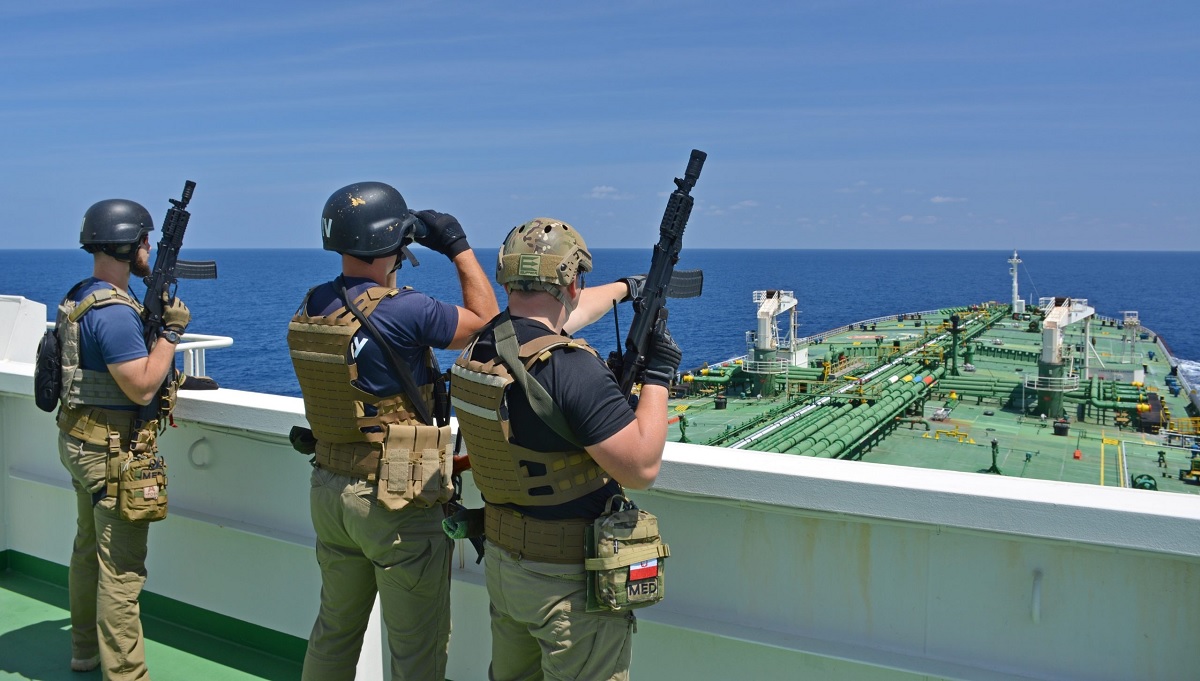
Maritime security became a global priority after the adoption of the ISPS Code, the international framework designed to protect ships and ports from security threats such as piracy, smuggling, and terrorism. To make sure the rules work in practice, the STCW convention requires that everyone working on a seagoing vessel receives security training.
The baseline is stcw security awareness, a course that applies to all crew members without security duties: hospitality staff, chefs, engineers, deckhands, and everyone in between. Crew members with specific responsibilities under the ship security plan need a step further, known as Designated Security Duties. When browsing courses, check which of the two your future employer actually requires; job listings usually specify it.
What the curriculum covers
Despite the serious subject matter, the course is designed for complete beginners. Expect clear, practical content on topics such as the meaning of maritime security levels, common threats and how to recognize suspicious behavior, the role of the ship security officer and the ship security plan, correct reporting procedures during incidents, and awareness of how prohibited items can be concealed on board.
There are no physical exercises involved, which is exactly why regulators permit this module to be taught online.
Comparing your study options
You will find this course offered both in classrooms and on e-learning platforms, often at very different price points. For most students, an stcw security awareness course online is the practical choice: it costs less than classroom equivalents, starts immediately after enrollment, and can be completed in a few hours from any device. You study at your own pace, take a multiple-choice exam, and download your certificate as soon as you pass, with a signed original available by mail.
Whichever format you choose, one factor outweighs all others: accreditation. A certificate only has value if the provider is approved by a recognized flag state authority. Look for approval from bodies such as the Netherlands’ shipping inspectorate, the Liberian registry (LISCR), the Bahamas Maritime Authority, or Panama. Reputable providers display these approvals openly; if you cannot find them, keep searching.
Timing your training
Recruiters in the cruise and yachting industries move quickly, and candidates with complete paperwork get priority. Since security awareness is universally required, completing it before you apply is a smart move. It shows initiative, shortens your onboarding, and removes a common bottleneck between a job offer and your first day on board.
Certificates are generally valid for five years, so factor renewal into your long-term planning as well. A few hours of study now, and a calendar reminder for the future, will keep this requirement from ever standing between you and a contract. In a career search where every advantage counts, that is time well spent.