
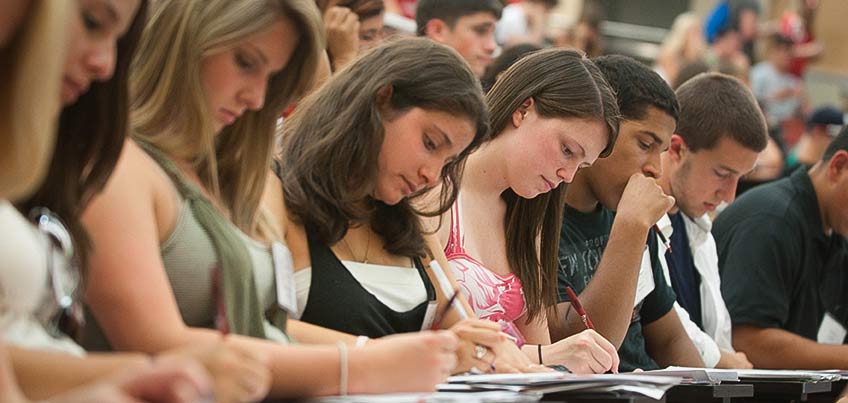
In the modern educational landscape, the role of a student extends far beyond attending classes and completing assignments. A student today must navigate a complex mix of academic expectations, personal development, technological tools, and career planning. Understanding how to maximize learning, manage time, and cultivate essential skills can significantly impact both immediate academic outcomes and long-term professional success. The journey of a student is shaped by strategic approaches to education, resilience, and proactive engagement in learning opportunities.
The Evolving Role of a Student
Being a student in today’s world involves more than absorbing information from textbooks. Students are expected to:
- Engage actively: Participate in discussions, projects, and collaborative learning environments.
- Develop critical thinking: Analyze information, question assumptions, and synthesize knowledge.
- Cultivate soft skills: Communication, teamwork, and adaptability are essential for both academic and professional success.
- Leverage technology: Utilize digital platforms and tools to enhance learning efficiency and accessibility.
The modern student’s role combines academic proficiency with personal growth and practical skill development, preparing them for a dynamic and competitive world.
Core Skills Every Student Should Develop
Success as a student requires a balanced combination of cognitive, interpersonal, and organizational skills:
1. Academic Competence
A strong foundation in core subjects forms the backbone of student achievement:
- Subject mastery: Develop in-depth knowledge of your chosen field or major.
- Research proficiency: Learn to gather, analyze, and interpret data effectively.
- Analytical thinking: Approach problems logically and develop well-reasoned solutions.
- Information literacy: Evaluate sources critically and synthesize information from multiple channels.
Academic competence is reinforced by curiosity, diligence, and a willingness to go beyond surface-level understanding.
2. Time Management and Organization
Managing multiple responsibilities is essential for a student’s success:
- Prioritization: Identify urgent versus important tasks to allocate time effectively.
- Planning: Use calendars, planners, or digital tools to structure daily, weekly, and monthly goals.
- Deadline adherence: Develop discipline to meet academic requirements and avoid last-minute stress.
- Task batching: Group similar tasks together to maintain focus and efficiency.
Strong time management skills prevent burnout and improve overall performance.
3. Communication Skills
Effective communication enhances learning and collaboration:
- Written communication: Craft clear, concise, and well-structured essays, reports, and emails.
- Verbal communication: Participate confidently in class discussions, presentations, and debates.
- Active listening: Understand instructions, feedback, and peer perspectives accurately.
- Digital communication: Utilize online platforms responsibly for collaboration and networking.
Clear communication skills foster academic success, teamwork, and professional preparedness.
4. Emotional Intelligence and Resilience
Academic challenges require emotional awareness and resilience:
- Self-awareness: Recognize personal strengths, weaknesses, and stress triggers.
- Adaptability: Adjust to new learning environments, technologies, and expectations.
- Stress management: Develop techniques such as mindfulness, exercise, or structured breaks to maintain well-being.
- Persistence: Maintain motivation and effort in the face of setbacks or challenging coursework.
Emotional intelligence equips students to handle both academic pressures and interpersonal interactions effectively.
Effective Learning Strategies for Students
Optimizing learning requires deliberate strategies that go beyond passive reading or note-taking:
1. Active Learning Techniques
Active learning engages the student directly in the process:
- Questioning and discussion: Engage critically with material by asking questions and participating in dialogues.
- Problem-solving exercises: Apply theoretical knowledge to practical scenarios to reinforce understanding.
- Teaching others: Explaining concepts to peers strengthens retention and comprehension.
- Interactive tools: Use quizzes, flashcards, and digital simulations to consolidate knowledge.
Active engagement improves retention and prepares students for real-world application of concepts.
2. Personalized Study Plans
Tailored study routines maximize efficiency:
- Assessment of strengths and weaknesses: Focus more time on challenging areas while reinforcing strong skills.
- Flexible scheduling: Allocate study periods according to energy levels and peak productivity times.
- Incremental learning: Break complex topics into smaller segments for gradual mastery.
- Regular review: Revisit material periodically to enhance long-term memory retention.
Personalized study plans ensure consistent progress and reduce learning gaps.
3. Leveraging Technology
Modern students have unprecedented access to digital learning tools:
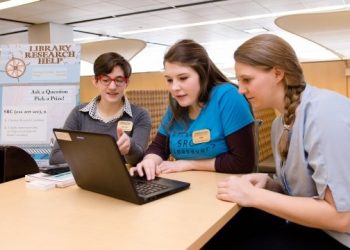
- Online libraries and databases: Access scholarly articles, research papers, and e-books.
- Learning management systems: Platforms that provide structured coursework, assignments, and progress tracking.
- Collaborative tools: Software for group projects, brainstorming, and virtual meetings.
- Educational apps and tutorials: Supplementary content that provides alternative explanations and interactive practice.
Proper use of technology enhances understanding, efficiency, and engagement.
Balancing Academics with Extracurricular Activities
A well-rounded student experience extends beyond academics:
- Skill-building opportunities: Clubs, sports, and arts activities develop leadership, teamwork, and creativity.
- Community engagement: Volunteering or social initiatives foster empathy, responsibility, and networking.
- Career exploration: Internships, workshops, and mentorship programs provide practical insights into potential career paths.
- Time allocation: Balancing extracurriculars with academics teaches prioritization and organization.
Extracurricular involvement cultivates a versatile skill set that enhances both personal and professional growth.
Overcoming Challenges as a Student
Students face a variety of obstacles that can hinder academic and personal success:
- Procrastination: Combat by setting clear deadlines, using accountability partners, and breaking tasks into smaller steps.
- Stress and anxiety: Address through mindfulness techniques, structured study plans, and seeking support from counselors or peers.
- Distractions: Create dedicated study spaces and implement focus strategies such as the Pomodoro technique.
- Resource limitations: Access open-source materials, online courses, and campus support services to supplement learning.
Proactively addressing challenges ensures that students maintain performance and well-being.
Preparing for Career Success
Students who integrate career-oriented planning into their education gain a competitive edge:
- Internships and apprenticeships: Gain practical experience and develop professional networks.
- Skill certifications: Enhance employability by acquiring industry-relevant credentials.
- Networking: Engage with faculty, alumni, and industry professionals for mentorship and guidance.
- Career research: Explore industries, roles, and required competencies to align education with future goals.
Career-oriented preparation transforms academic experiences into tangible professional advantages.
Frequently Asked Questions
How can students balance academic work with personal life?
Effective time management, structured schedules, and prioritization of tasks allow students to maintain both productivity and personal well-being.
What strategies improve memory retention for students?
Active learning, periodic review, teaching concepts to others, and using multimodal learning methods strengthen memory retention.
Are extracurricular activities necessary for student success?
Yes, they develop soft skills, leadership, and real-world problem-solving abilities that complement academic learning.
How can students handle academic stress effectively?
Techniques such as mindfulness, regular exercise, structured breaks, and seeking peer or mentor support help manage stress.
What role does technology play in modern student learning?
Technology provides access to resources, interactive tools, collaboration platforms, and personalized learning paths that enhance understanding and efficiency.
How can students prepare for future careers while studying?
Engaging in internships, skill certifications, networking, and career research ensures that academic experiences translate into professional readiness.
Being a student today requires a holistic approach to learning, personal development, and career planning. By developing core skills, employing effective study strategies, leveraging technology, participating in extracurricular activities, and proactively preparing for the future, students can achieve academic excellence and position themselves for long-term success in any professional arena.