

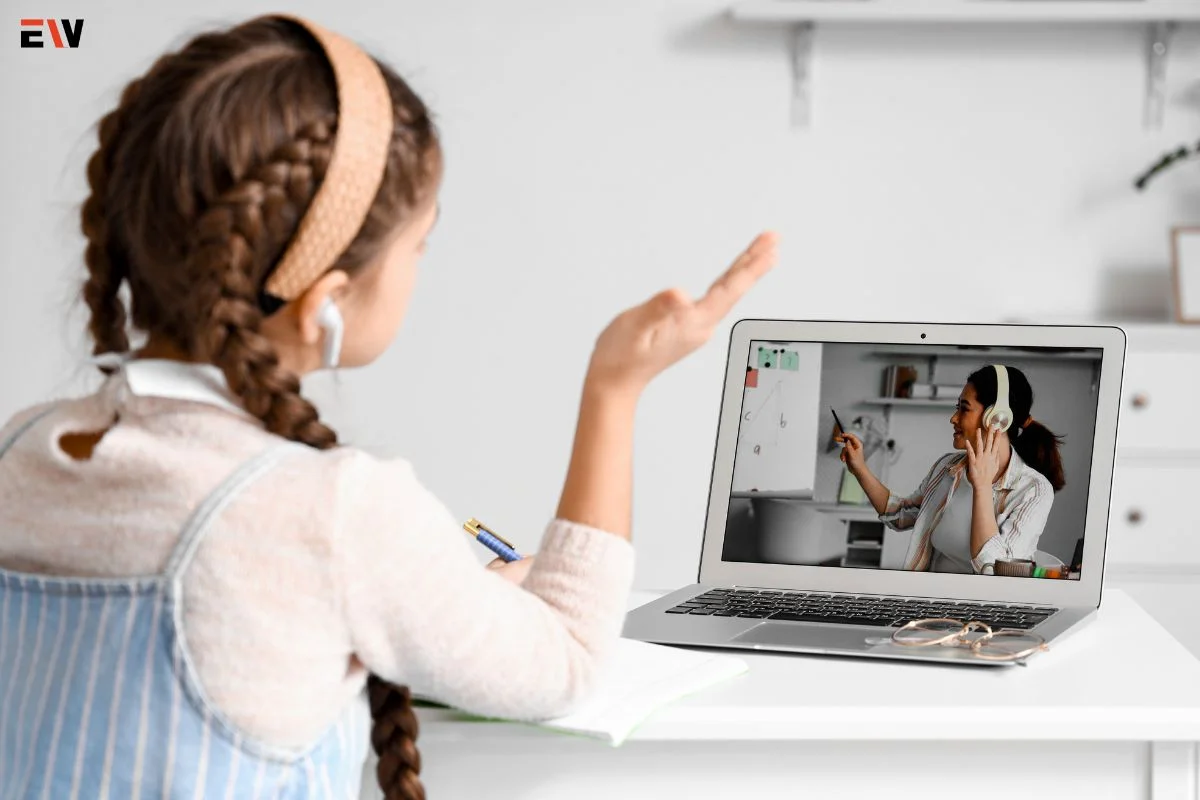
In today’s digital age, the role of an online tutor has become central to personalized education and skill development. Whether for K-12 students, college learners, or adult professionals seeking new skills, online tutors offer tailored instruction that addresses individual needs, learning styles, and goals. Leveraging the expertise of an online tutor can accelerate understanding, reinforce critical concepts, and improve academic or professional performance. Understanding how to effectively engage with an online tutor ensures maximum benefit and long-term learning success.
The Growing Importance of Online Tutors
Online tutoring has evolved from a supplementary learning tool to a mainstream educational solution, driven by technological advancements and increasing demand for personalized learning experiences. The benefits are extensive:
- Personalized attention: Unlike traditional classroom settings, an online tutor focuses solely on the learner’s strengths and weaknesses.
- Flexibility: Sessions can be scheduled to fit individual routines, accommodating learners across different time zones or commitments.
- Diverse resources: Tutors can integrate digital tools, simulations, and interactive materials to enhance comprehension.
- Adaptive learning: Online tutors can adjust teaching methods based on progress and feedback, ensuring concepts are fully understood.
The accessibility and adaptability of online tutors make them a strategic choice for anyone seeking targeted and effective learning solutions.
Key Roles and Responsibilities of an Online Tutor
An online tutor’s effectiveness depends on their ability to combine subject mastery with pedagogical skill:
1. Assessing Learner Needs
A competent online tutor begins with a comprehensive assessment of the learner:
- Skill evaluation: Identifying areas of strength and gaps in knowledge.
- Learning style identification: Understanding whether the learner responds better to visual, auditory, or kinesthetic instruction.
- Goal alignment: Establishing short-term and long-term objectives to guide session planning.
Accurate assessment ensures that instruction is relevant, focused, and results-oriented.
2. Designing Customized Learning Plans
Effective tutoring is not one-size-fits-all. Online tutors create individualized plans that cater to the learner’s goals and abilities:
- Structured sessions: Break down complex topics into manageable segments.
- Incremental progression: Gradually introduce advanced concepts while reinforcing foundational knowledge.
- Incorporation of interactive tools: Use of quizzes, multimedia, and simulations to make learning engaging.
Customized plans accelerate understanding and ensure that learners remain motivated and challenged.
3. Providing Ongoing Feedback and Assessment
Feedback is essential for learning, and online tutors offer continuous evaluation to guide progress:
- Performance tracking: Monitor completion of assignments, accuracy, and speed.
- Constructive criticism: Highlight areas for improvement without discouraging the learner.
- Adjustment of strategies: Modify teaching approaches based on performance trends and learner feedback.
Regular feedback ensures that learners are aware of their progress and can adjust their focus for optimal improvement.
Advantages of Learning with an Online Tutor
The impact of online tutoring extends beyond academic improvement, influencing personal development and professional growth:
1. Improved Understanding and Retention
Individualized attention allows learners to master concepts thoroughly:
- Focused instruction: Direct attention to areas where the learner struggles most.
- Repetition and reinforcement: Tutors can revisit challenging topics until mastery is achieved.
- Application of knowledge: Real-world examples and problem-solving exercises enhance comprehension and retention.
2. Flexibility and Convenience
Online tutors provide learning opportunities that fit into busy schedules:
- Customizable timing: Sessions can be arranged during evenings, weekends, or any preferred time.
- Remote accessibility: Learners can access tutoring from home, work, or any location with internet connectivity.
- Pacing: Tutors can adjust the session speed to match learner comprehension.
3. Motivation and Accountability
Many learners struggle with consistency in self-study. Online tutors provide structure and accountability:
- Goal setting: Establish short-term milestones to track progress.
- Active engagement: Tutors maintain learner focus and encourage participation.
- Positive reinforcement: Recognition of achievements builds confidence and sustained motivation.
4. Exposure to Modern Learning Tools
Online tutors often integrate technology to enhance learning outcomes:
- Interactive platforms: Tools such as whiteboards, quizzes, and breakout rooms facilitate collaboration.
- Digital resources: Access to e-books, videos, and simulations enhances understanding of complex topics.
- Adaptive learning software: Personalized recommendations based on learner performance optimize study paths.
Technology integration ensures lessons are not only informative but engaging and memorable.
Choosing the Right Online Tutor
Selecting an online tutor requires careful evaluation to ensure alignment with the learner’s needs and goals:
1. Expertise and Experience
The tutor should have:
- Subject mastery: Proven knowledge and qualifications in the relevant field.
- Teaching experience: Ability to convey complex topics clearly and effectively.
- Track record of success: Positive feedback from previous learners or demonstrable outcomes.
2. Teaching Style and Compatibility
Compatibility between tutor and learner enhances engagement and learning outcomes:
- Communication style: Tutors should adapt explanations to the learner’s comprehension level.
- Flexibility: Willingness to adjust lesson plans and pacing.
- Empathy and patience: Ability to motivate without pressure or frustration.
3. Technological Competence
An effective online tutor must be proficient with digital tools:
- Platform familiarity: Knowledge of online meeting platforms, whiteboards, and collaboration tools.
- Resource integration: Ability to incorporate multimedia, simulations, and interactive activities.
- Technical troubleshooting: Capacity to quickly resolve connectivity or software issues to prevent disruption.
Maximizing the Benefits of Online Tutoring
To ensure optimal results from online tutoring, learners can adopt several best practices:
- Set clear objectives: Define the purpose and expected outcomes of each session.
- Maintain regular sessions: Consistency improves retention and progress.
- Actively participate: Engage with exercises, ask questions, and apply feedback.
- Prepare for sessions: Review previous material and note areas of difficulty in advance.
- Follow up independently: Reinforce lessons through practice, reading, and supplementary exercises.
Proactive participation ensures that online tutoring translates into measurable skill acquisition and confidence.
Frequently Asked Questions
What is the difference between an online tutor and a traditional teacher?
An online tutor provides one-on-one instruction tailored to an individual’s learning pace and goals, whereas traditional teachers often instruct multiple students in a fixed curriculum.
Can online tutoring improve standardized test scores?
Yes, online tutors can identify specific weaknesses, provide targeted practice, and teach test-taking strategies that significantly enhance performance.
How often should I schedule sessions with an online tutor?
Frequency depends on goals and availability, but consistent engagement, such as 2–3 sessions per week, often yields the best results.
Are online tutors effective for adult learners?
Absolutely. Online tutoring is adaptable for all ages, providing flexible, personalized learning that suits professional development, skill acquisition, and continuing education.
What should I do if a session is not effective?
Communicate concerns with the tutor immediately. Adjust the teaching approach, lesson focus, or format to better match learning preferences.
Is it necessary to use specific technology or software for online tutoring?
Most tutors provide guidance on required tools. Basic access to a computer, internet, and communication platforms is sufficient, though interactive software can enhance learning.
Online tutors offer a personalized, flexible, and highly effective approach to learning. By selecting the right tutor, actively engaging in sessions, and applying learned concepts, learners of all ages and backgrounds can achieve meaningful academic and professional growth. Harnessing the full potential of online tutoring transforms learning from a passive activity into an interactive, goal-driven experience that empowers long-term success.