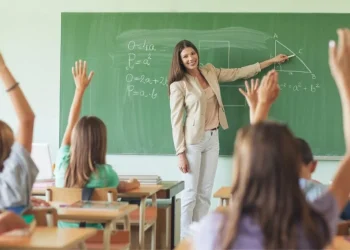

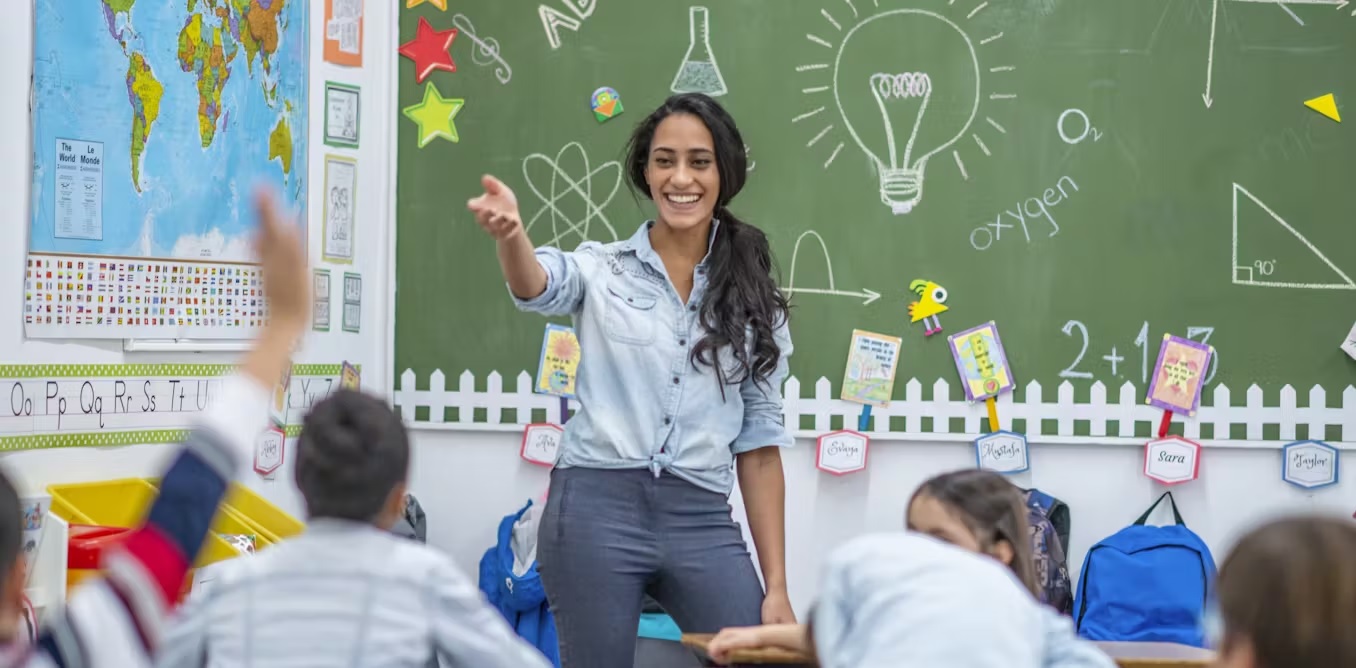
Teaching is more than just a profession; it is a dynamic and evolving art that shapes minds, fosters critical thinking, and cultivates lifelong learning. At its core, teaching is the deliberate act of guiding individuals toward understanding, skill development, and personal growth. It bridges the gap between knowledge and comprehension, helping learners navigate complex ideas while nurturing creativity and confidence. In today’s rapidly changing world, effective teaching has become both a science and an art, requiring a blend of research-backed strategies, emotional intelligence, and adaptability.
Understanding the Foundations of Effective Teaching
Teaching rests on several foundational principles that educators must internalize to maximize learning outcomes. One of the most critical aspects is recognizing the diverse needs and learning styles of students. Learners absorb information differently, whether through visual aids, hands-on experiences, auditory instruction, or reflective exercises. Research shows that when teaching strategies are aligned with these learning preferences, comprehension and retention improve significantly.
Another cornerstone is the establishment of a positive learning environment. Students thrive in settings where they feel safe, valued, and encouraged to take intellectual risks. This environment promotes collaboration, open dialogue, and respect for differing perspectives. Teachers who cultivate such spaces often witness higher engagement levels and increased motivation among learners.
The Role of Pedagogy in Modern Education
Pedagogy, the method and practice of teaching, plays a pivotal role in shaping educational experiences. Contemporary pedagogical approaches emphasize active learning, student-centered instruction, and inquiry-based methods. These strategies move beyond rote memorization and encourage learners to ask questions, analyze information, and develop problem-solving skills.
Active learning techniques include:
- Collaborative group projects that foster teamwork and communication
- Case studies that apply theoretical knowledge to real-world scenarios
- Socratic questioning to stimulate critical thinking and discussion
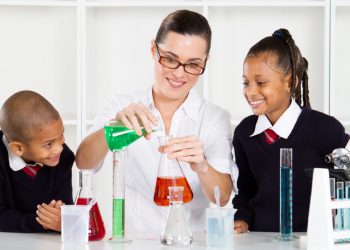
- Experiential learning through simulations, experiments, or fieldwork
Evidence supports that students engaged in active learning retain information longer and demonstrate improved application of knowledge. Modern pedagogy also integrates technology seamlessly, allowing educators to utilize digital tools, virtual labs, and interactive platforms to enhance understanding.
Emotional Intelligence and Its Impact on Teaching
Emotional intelligence (EI) is increasingly recognized as a vital component of effective teaching. Educators with high EI can empathize with students, recognize emotional cues, and respond appropriately to individual needs. This skill is especially important in diverse classrooms where learners come from varied cultural, social, and academic backgrounds.
Teachers who employ emotional intelligence create supportive learning environments where students feel understood and motivated. They can manage classroom dynamics, resolve conflicts, and foster a culture of trust. Studies indicate that students in emotionally intelligent classrooms exhibit higher academic performance, improved behavior, and stronger social-emotional skills.
Assessment as a Tool for Learning
Assessment is no longer limited to grading or testing; it has evolved into a powerful tool for guiding instruction and enhancing student learning. Formative assessments, such as quizzes, peer reviews, and reflective journals, provide immediate feedback and allow teachers to adjust their strategies based on student progress. Summative assessments, like final exams or major projects, evaluate the cumulative understanding of material.
Effective assessment practices involve:
- Clear learning objectives aligned with curriculum standards
- Diverse methods to measure comprehension, including projects, presentations, and portfolios
- Constructive feedback that emphasizes growth rather than punishment
- Encouragement of self-assessment and peer evaluation to foster autonomy
Integrating assessment with teaching ensures that learning is continuous, measurable, and responsive to student needs.
Incorporating Technology in Teaching
Technology has transformed the teaching landscape, offering innovative ways to deliver content and engage learners. Digital tools, such as interactive whiteboards, educational apps, and online learning platforms, enable personalized instruction tailored to individual student progress. Hybrid and blended learning models combine in-person teaching with virtual resources, providing flexibility and accessibility.
Artificial intelligence and data analytics are also being employed to track student performance, predict learning gaps, and recommend targeted interventions. Teachers can leverage these insights to optimize lesson plans, identify struggling students early, and implement strategies that maximize outcomes.
Lifelong Learning for Educators
Effective teaching requires continuous professional development. Educators must stay current with emerging research, instructional strategies, and technological advancements. Lifelong learning for teachers involves attending workshops, participating in professional learning communities, pursuing advanced degrees, and reflecting on classroom experiences.
Reflective practice allows teachers to evaluate their methods, experiment with new techniques, and adapt to changing student needs. By modeling lifelong learning, educators inspire their students to adopt the same mindset, fostering a culture of curiosity and growth.
Challenges in Teaching and How to Overcome Them
Teaching is inherently challenging, and educators face multiple obstacles that can impact their effectiveness. Common challenges include large class sizes, limited resources, diverse learning needs, and evolving curriculum demands. Additionally, maintaining student engagement in a world full of distractions can be difficult.
Strategies to overcome these challenges include:
- Implementing differentiated instruction to address varied learning abilities
- Utilizing technology to supplement traditional teaching methods
- Fostering strong communication and collaboration with parents and communities
- Prioritizing self-care and stress management to prevent burnout
Addressing these challenges thoughtfully ensures that teachers remain resilient, effective, and capable of making a lasting impact on their students.
Real-Life Applications of Teaching
Teaching extends beyond the classroom and influences many facets of life. Effective educators prepare students for real-world challenges by developing critical thinking, problem-solving, and communication skills. They inspire civic engagement, ethical decision-making, and global awareness.
For example, project-based learning can help students understand environmental issues, develop solutions to community problems, or explore career interests. Mentorship programs allow students to gain insights from experienced professionals while fostering personal growth. These practical applications highlight the transformative power of teaching in shaping not just academic knowledge but life skills as well.
Key Qualities of Exceptional Teachers
Exceptional teachers exhibit several distinguishing qualities:
- Passion for teaching that motivates and inspires students
- Adaptability to respond to changing classroom dynamics and learning needs
- Strong communication skills to convey concepts clearly and effectively
- Empathy and patience to nurture student growth and address challenges
- Commitment to continuous improvement through professional development
These qualities combine to create an educator who not only imparts knowledge but also instills confidence, curiosity, and a love for learning.
FAQ
What makes teaching effective?
Effective teaching combines a deep understanding of subject matter, pedagogical strategies tailored to student needs, emotional intelligence, and the ability to foster an engaging learning environment.
How can technology improve teaching?
Technology enhances teaching by providing interactive tools, personalized learning experiences, and data-driven insights that help educators identify gaps and adapt instruction accordingly.
Why is emotional intelligence important in teaching?
Emotional intelligence allows teachers to recognize and respond to student emotions, manage classroom dynamics, and create supportive environments that encourage academic and social growth.
Can teaching impact life beyond academics?
Yes, teaching shapes critical thinking, problem-solving, and ethical reasoning skills, preparing students for real-world challenges and personal development.
How can teachers manage diverse classrooms effectively?
Teachers can use differentiated instruction, inclusive practices, and culturally responsive strategies to meet the varied needs of students while maintaining engagement and fairness.
Teaching is a profound profession that extends far beyond traditional instruction. By integrating evidence-based strategies, emotional intelligence, technological tools, and lifelong learning, educators can transform lives, foster meaningful growth, and prepare students for success in an ever-changing world. The art and science of teaching continue to evolve, but the core mission remains the same: to inspire, educate, and empower learners for a lifetime.