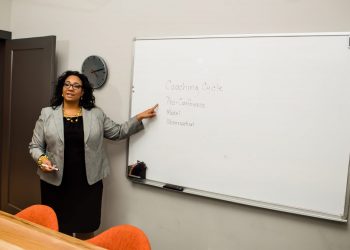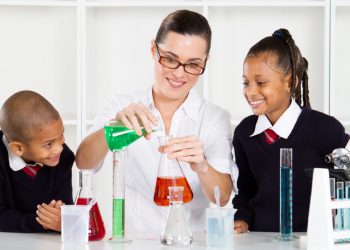


Teaching is one of the most impactful professions, shaping the intellectual, emotional, and social development of learners. Beyond simply delivering content, effective teaching involves understanding diverse learning styles, fostering engagement, and cultivating critical thinking. A teacher’s role extends from facilitating knowledge acquisition to mentoring, inspiring, and preparing students for lifelong success. Mastering the art of teaching requires a combination of pedagogical expertise, emotional intelligence, and adaptability to evolving educational environments.
The Evolving Role of Teaching in Modern Education
In contemporary education, teaching is no longer confined to lectures or rote memorization. Teachers now serve as facilitators, guides, and innovators in learning:
- Facilitating critical thinking: Encouraging students to analyze, question, and evaluate information critically.
- Fostering collaboration: Designing activities that promote teamwork, communication, and problem-solving skills.
- Integrating technology: Utilizing digital tools and platforms to enhance learning experiences.
- Personalizing instruction: Adapting lessons to meet individual student needs, learning styles, and interests.
Modern teaching emphasizes active participation, experiential learning, and the development of skills that extend beyond academic knowledge.
Core Principles of Effective Teaching
Effective teaching is grounded in research-based practices that optimize student learning outcomes:
1. Student-Centered Learning
Focusing on the learner rather than the content ensures engagement and relevance:
- Active participation: Students are encouraged to ask questions, collaborate, and take ownership of their learning.
- Differentiated instruction: Tailoring teaching strategies to accommodate diverse abilities and learning preferences.
- Feedback-driven learning: Providing timely, constructive feedback that guides improvement and reinforces mastery.
Student-centered teaching creates an environment where learners feel valued and motivated to succeed.
2. Clear Learning Objectives
Defining precise learning goals is essential for guiding instruction and assessment:
- Specificity: Goals should clearly state what students are expected to learn or accomplish.
- Measurability: Objectives should include criteria for evaluating progress and success.
- Alignment: Ensure lessons, activities, and assessments are directly connected to learning outcomes.
Clear objectives provide both teachers and students with a roadmap for effective learning.
3. Engaging Instructional Methods
Variety in teaching methods enhances comprehension and retention:
- Interactive lectures: Incorporate discussions, questioning, and real-life examples.
- Project-based learning: Encourage practical application of knowledge through hands-on projects.
- Collaborative learning: Use group work to foster teamwork and problem-solving skills.
- Multimedia integration: Videos, simulations, and digital tools can illustrate complex concepts effectively.
Engaging instructional methods maintain attention, stimulate curiosity, and promote deep understanding.
4. Assessment and Feedback
Evaluation is an integral component of teaching, guiding both instruction and student progress:
- Formative assessment: Ongoing checks for understanding during lessons to identify learning gaps.
- Summative assessment: Comprehensive evaluations at the end of units or courses to measure mastery.
- Constructive feedback: Specific, actionable suggestions that help students improve.
- Self-assessment and reflection: Encouraging students to analyze their own performance fosters self-awareness and growth.
Effective assessment practices provide insight into both teaching effectiveness and student learning outcomes.
Essential Skills for Teachers
Successful teachers combine subject expertise with interpersonal and organizational competencies:
1. Subject Mastery
A teacher must have deep knowledge of the subject matter to deliver content confidently and accurately:
- Comprehensive understanding: Ability to explain core concepts and complex topics clearly.
- Continuous learning: Staying updated on emerging trends, research, and pedagogical methods.
- Integration of knowledge: Connecting topics across disciplines to foster holistic understanding.
Subject mastery enhances credibility and enables teachers to respond effectively to student inquiries.
2. Communication Skills
Clear, effective communication is essential for conveying information and fostering relationships:
- Verbal clarity: Explaining concepts in a concise, comprehensible manner.
- Non-verbal cues: Using gestures, expressions, and tone to reinforce meaning.
- Active listening: Understanding student concerns, questions, and feedback.
- Digital communication: Effectively using online platforms to maintain engagement in virtual learning environments.
Strong communication skills improve comprehension, engagement, and student-teacher rapport.
3. Emotional Intelligence
Teachers with emotional intelligence create supportive, motivating, and inclusive learning environments:
- Empathy: Understanding student perspectives and responding with sensitivity.
- Patience: Allowing learners to progress at their own pace without frustration.
- Conflict resolution: Addressing disagreements or behavioral challenges constructively.
- Motivation and encouragement: Inspiring students to reach their full potential.
Emotional intelligence strengthens classroom management and enhances overall learning outcomes.
4. Classroom Management
Maintaining an organized and focused learning environment is critical:
- Establishing expectations: Setting clear rules, routines, and boundaries.
- Time management: Ensuring efficient use of instructional time.
- Behavioral strategies: Addressing disruptions while promoting positive conduct.
- Adaptability: Adjusting plans to accommodate unexpected challenges or learning needs.
Effective classroom management ensures a productive and respectful learning atmosphere.
Incorporating Technology in Teaching
Technology has transformed teaching methods, expanding opportunities for interactive, personalized, and flexible learning:
- Learning management systems: Platforms to organize content, assignments, and assessments efficiently.
- Digital collaboration tools: Facilitate group projects, discussions, and peer learning remotely.
- Interactive simulations and multimedia: Engage students with dynamic representations of abstract concepts.
- Data analytics: Monitor student performance and adapt instruction based on trends and insights.
Integrating technology supports differentiated instruction, enhances engagement, and prepares students for digital literacy in the modern world.
Challenges in Teaching and Strategies to Overcome Them
Teaching is a demanding profession that requires balancing multiple responsibilities while meeting diverse student needs:
1. Diverse Learning Needs
Students vary in abilities, learning styles, and backgrounds:
- Solution: Use differentiated instruction, scaffolding, and varied teaching materials to meet diverse needs.
2. Student Motivation
Maintaining engagement can be challenging, especially in large or virtual classrooms:
- Solution: Incorporate interactive activities, relate content to real-life applications, and provide frequent feedback.
3. Technological Barriers
Not all students or teachers have equal access to digital tools or possess technical proficiency:
- Solution: Offer training, utilize low-bandwidth resources, and blend traditional and digital methods.
4. Assessment Pressures
High-stakes testing can limit flexibility and creativity in teaching:
- Solution: Balance formative and summative assessments and focus on holistic evaluation of skills and knowledge.
Addressing these challenges proactively allows teachers to provide effective, equitable, and engaging instruction.
Professional Development for Teachers
Continuous growth is essential for teaching excellence:
- Workshops and seminars: Stay updated on pedagogical strategies and subject developments.
- Peer observation and collaboration: Learn from colleagues and share best practices.
- Online courses and certifications: Expand expertise in teaching methodologies, technology integration, or specialized subjects.
- Reflective practice: Evaluate personal teaching methods and student outcomes to identify areas for improvement.
Professional development ensures teachers remain effective, innovative, and responsive to student needs.
Frequently Asked Questions
What is the most effective teaching approach for diverse classrooms?
Student-centered learning combined with differentiated instruction and active engagement strategies addresses diverse abilities, learning styles, and backgrounds.
How can teachers keep students motivated in virtual learning?
Incorporate interactive tools, real-world applications, frequent feedback, and opportunities for collaboration to sustain engagement.
What role does technology play in modern teaching?
Technology enhances instructional delivery, enables personalized learning, facilitates collaboration, and provides analytics for data-driven decisions.
How can teachers manage large or mixed-ability classes effectively?
Use differentiated instruction, collaborative activities, tiered assignments, and targeted feedback to ensure all students are supported.
Why is reflective practice important for teachers?
Reflective practice allows teachers to evaluate their methods, adapt strategies, and continuously improve student outcomes.
How do teachers balance content delivery with skill development?
Integrate critical thinking exercises, project-based learning, and soft skills activities alongside core content to foster holistic development.
Teaching is both an art and a science that demands expertise, empathy, and adaptability. By combining student-centered strategies, effective communication, technology integration, and continuous professional growth, teachers can inspire learning, foster critical thinking, and empower students to achieve their full potential. Excellent teaching transforms education into a dynamic, engaging, and transformative experience that prepares learners for success in life and career.